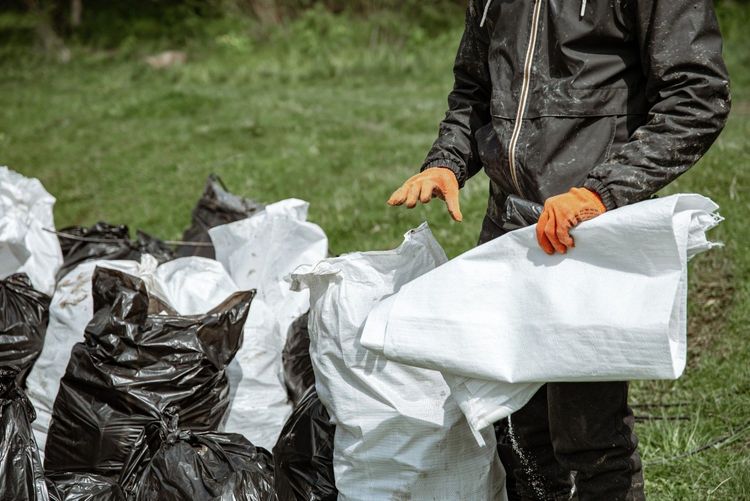

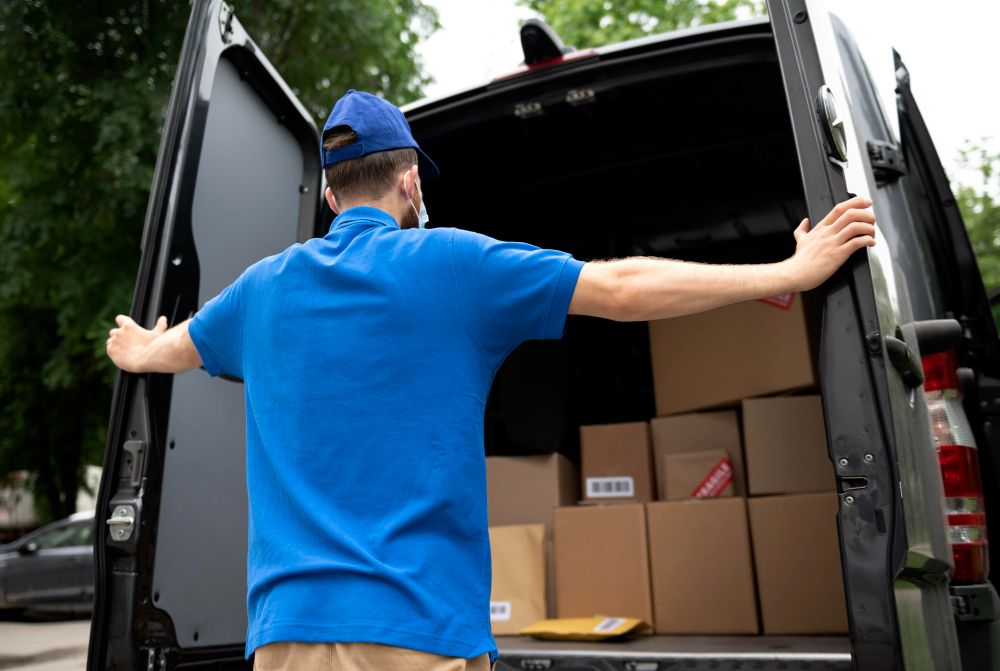
Rubbish removal companies make clearing clutter easy — but not everything can go into the back of the van. While The Trash Removal handles most types of household, garden, and commercial waste, there are legal and safety restrictions on certain items. Knowing what cannot be taken saves you time, prevents disappointment, and helps you find the right disposal route for tricky materials.
Below is a clear guide to items most rubbish removal companies — including us — cannot collect, along with why these restrictions exist and where you can take them instead.
Why Are Some Items Banned?
Rubbish removal companies operate under strict environmental and health and safety laws. The Environment Agency licences waste carriers, and that licence comes with rules. Items that are explosive, highly flammable, infectious, or chemically reactive require specialist handling. Ordinary vans and transfer stations are not equipped for them. Attempting to take banned items can result in fines, accidents, or serious harm to the environment.
Items That Standard Rubbish Removal Cannot Take
Asbestos
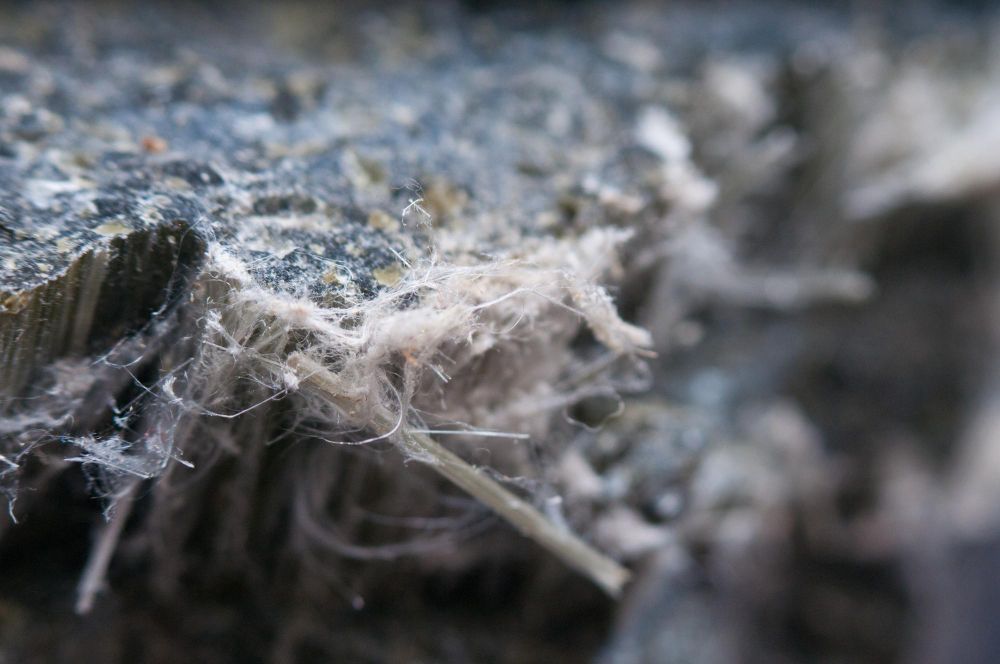
Asbestos is the most common banned material. Found in older London properties — often in garage roofs, boiler cupboards, ceiling tiles, or corrugated sheeting — asbestos fibres are deadly when airborne. Only licensed asbestos removal specialists can legally handle and dispose of it. If you suspect asbestos, do not touch or break it. Call a licensed asbestos contractor. The Trash Removal can recommend trusted specialists if needed. Even small amounts of loose asbestos fibres or asbestos-contaminated dust cannot be taken.
Gas Bottles and Cylinders
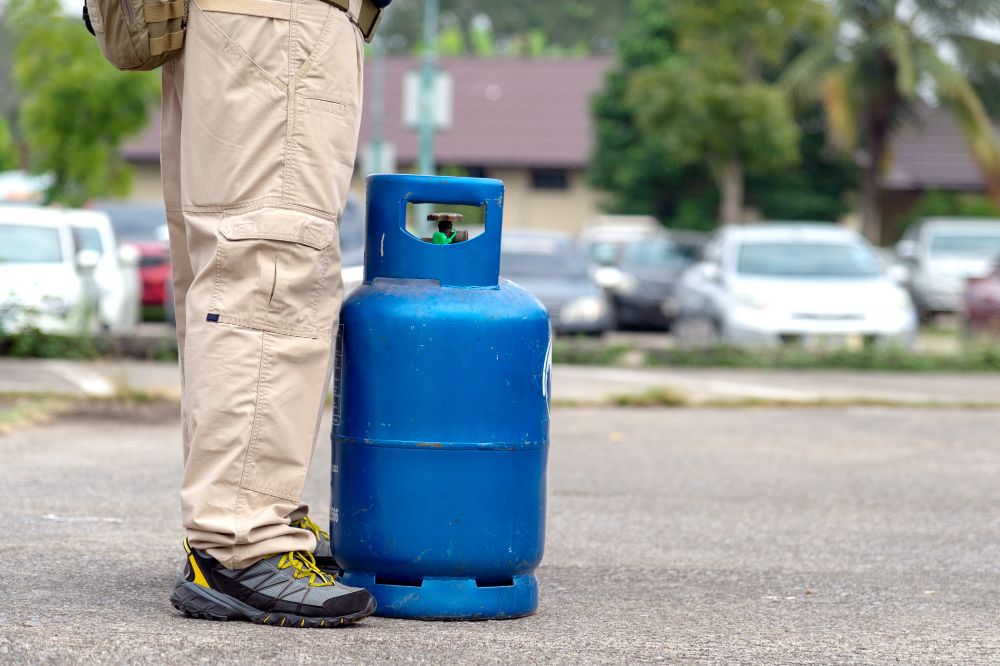
Propane, butane, oxygen, and other compressed gas cylinders are hazardous. They can explode if crushed or heated. Most rubbish removal vans are not permitted to carry them. Empty cylinders can often be returned to the supplier — such as Calor or Flogas — or taken to a local recycling centre that accepts gas bottles. Full or partially full cylinders require specialist disposal.
Commercial or Industrial Chemical Waste
Paint thinners, solvents, acids, industrial cleaners, pesticides, and unlabelled chemical drums cannot be taken in standard clearance. These materials need classification, packaging, and specialist chemical waste disposal. Small quantities of household chemicals, such as a single paint tin or used engine oil, are sometimes accepted, but you should always check with your clearance company in advance.
Medical and Clinical Waste
Used needles, syringes, medical sharps, infectious dressings, and pharmaceutical waste are classified as clinical waste. This requires specialised collection, often by healthcare-licensed contractors. Never place sharps in household bins or bags. If you have medical waste at home — for example, from diabetes treatment or home care — contact your local council or a clinical waste disposal company.
Unused Fireworks and Explosives
Fireworks, flares, ammunition, and any explosive materials are strictly prohibited. These pose an extreme safety risk during transport and processing. Contact your local police or bomb disposal unit for advice on safe disposal.
Large Quantities of Liquid Waste
Paints, oils, and other liquids in large volumes — multiple drums or barrels — cannot be taken in a standard clearance. Small quantities, such as a few half-empty paint tins, are usually acceptable, but they must be clearly identified and not leaking.
Tyres
Car, van, or lorry tyres are often excluded from general rubbish removal due to specific recycling regulations. Many councils accept a limited number of tyres at recycling centres. Alternatively, tyre retailers will take old tyres when you buy new ones, often for a small fee.
Fridges and Freezers (Sometimes Restricted)
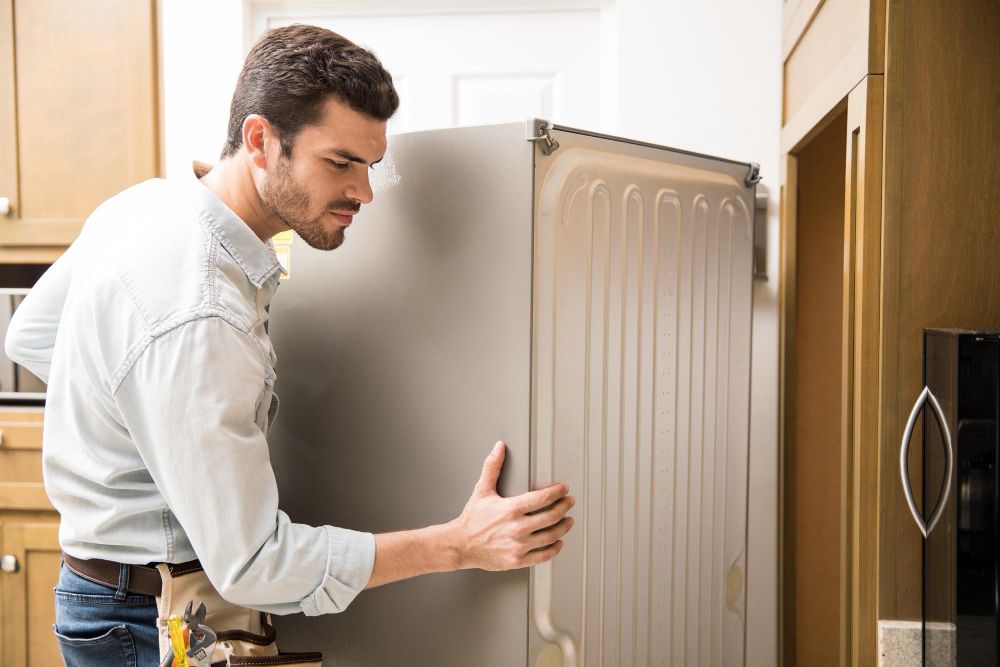 Many rubbish removal companies do take fridges and freezers, but with conditions. These appliances contain refrigerant gases and insulating foam that must be removed by certified technicians. The Trash Removal accepts fridges and freezers as part of a clearance, provided they are empty, clean, and accessible. However, some very small or budget removal firms will not take them, so always ask before booking.
Large Built-In or Fixed Items
Rubbish removal is for rubbish and unwanted items — not demolition. A fitted kitchen, built-in wardrobes, glued-down carpets, or bathroom suites that are still attached to walls or floors may require a builder or handyman to dismantle them first. Once removed and separated from the structure, our team can take the pieces away.
Items That Are Often Thought to Be Banned (But Usually Aren't)
Some items fall into a grey area. Mattresses are not banned — The Trash Removal takes them and recycles them responsibly. Paint tins in household quantities are acceptable if partly full but sealed and not leaking. Car batteries are usually accepted but must be kept separate and upright. TVs and monitors are accepted under WEEE regulations, and we recycle electronic waste properly. Cookers and washing machines are accepted as white goods. Garden waste like soil, turf, and branches is accepted, though very heavy loads of many tonnes of soil may need specialist muck-away services.
What to Do With Items a Rubbish Removal Company Won't Take
If you have banned items, there are still ways to dispose of them safely. Asbestos must go to a licensed asbestos removal contractor. Gas bottles should be returned to the supplier or taken to a local recycling centre. Clinical waste requires a council clinical waste service or a specialist firm. Tyres can be taken to a tyre retailer or council recycling centre, though limits often apply. Chemicals may be collected by a council hazardous waste service, which is often free but requires booking in advance. For fireworks or explosives, call the police non-emergency line for advice. Large built-in units should be dismantled by a handyman or builder before clearance.
How to Avoid Problems With Your Rubbish Clearance
Follow these simple steps before booking. First, tell your clearance company exactly what you have. Do not hide items. If you are unsure whether something can be taken, send a photo by WhatsApp. Second, separate banned items in advance. Keep asbestos, chemicals, and gas bottles to one side so they are not mixed with ordinary rubbish. Third, ask before you book. If you have any doubt, ask specifically whether the company takes fridges, paint, or any other potentially problematic item. Fourth, use council services for hazardous waste. Most London boroughs offer free or low-cost hazardous waste collection for residents.
Does The Trash Removal Take Banned Items?
 No. As a licensed but standard waste carrier, we comply with all Environment Agency rules. We do not take asbestos, gas cylinders, clinical or infectious waste, explosives or fireworks, industrial chemicals in bulk, or large quantities of liquid waste.
However, we do take most household, commercial, office, garden, and construction waste — including furniture, electronics, mattresses, white goods, general rubbish, and small quantities of paint or engine oil. If you are unsure whether we can take a specific item, just ask. We will give you an honest answer and, where possible, recommend the right solution.
Final Thoughts
Knowing what a rubbish removal company can and cannot take saves you time, money, and frustration. The vast majority of everyday waste — from old sofas to garden clippings — is perfectly fine. Problematic items like asbestos, gas bottles, and clinical waste simply need different specialists.
At The Trash Removal, we believe in honest, transparent service. We will never promise to take something we cannot legally or safely handle. And for everything else, we will clear it quickly, affordably, and responsibly.
Need a clearance but not sure if your items are allowed? Contact The Trash Removal today. Describe what you have, send photos if possible, and we will confirm whether we can help — or point you to someone who can.